Morocco Visa Guide for Angolan Citizens
.jpg)
Planning a trip from Angola to the vibrant kingdom of Morocco? You’re in for an exciting journey—sun-soaked medinas, dramatic desert landscapes, and rich cultural treasures await. But before you pack your bags, there’s one important topic to cover: the visa process. In this “Morocco Visa for Angolan Citizens,” I’ll walk you through how the Morocco eVisa plays into the mix, what you need to know as an Angolan passport holder, and how to make the process as smooth as possible.
While many travellers see the promise of e-visas and streamlined entry, the reality for Angolan citizens requires careful preparation and attention to detail. Together we’ll explore the types of visas available (or not yet fully launched for your country), the application steps, common pitfalls, travel tips and more. Think of this as your friendly travel blogger companion—making the small print a little less daunting.
Why Angolan Tourists Choose Morocco for Vacation
.jpg)
Morocco is a magnet for travellers—and if you’re coming from Angola, it offers a refreshing change of scene. Here’s why:
Diverse landscapes: From the bustling souks of Marrakesh to the sweeping dunes of the Sahara and the snow-capped Atlas Mountains, there’s something for every mood.
Rich cultural vibe: The blend of Arab, Berber and French colonial heritage gives Morocco its distinctive colour—ideal for someone looking beyond beaches and resorts.
Accessible luxury & budget: Whether you prefer riads (traditional guest houses), scenic train rides or high-end cuisine, Morocco offers both comfort and affordability.
Gateway to North Africa: For many Angolan travellers, visiting Morocco is a chance to explore a new continent, experiencing different languages, flavours and travel rhythms.
Friendly for tourists: Although there is a visa requirement for Angolan passport holders, the travel infrastructure, hospitality and tourism scene in Morocco make it a very workable destination.
So yes—visiting Morocco from Angola can be an excellent choice. As long as you’ve done your homework on entry requirements and the visa process.
Morocco Visa Types Explained: Tourist, Business, Transit & Other eVisa Options for Angolans

Understanding the different Morocco eVisa types helps Angolan travelers choose the right visa for their journey. Below is a full list of available visa categories:
Tourist eVisa – Issued for leisure, vacations, sightseeing, or visiting family and friends. Valid for 180 days from the date of issue and allows a stay of up to 30 days. Ideal for short-term visits.
Business eVisa – Designed for business-related trips such as attending meetings, conferences, or trade events. Valid for 180 days with a permitted stay of up to 30 days. Often requires an invitation letter from a Moroccan company.
Transit Visa – Required for travelers who pass through Morocco on their way to another country and intend to leave the airport or have a layover exceeding 24 hours. Proof of onward travel is needed.
Work Visa – For individuals taking up employment in Morocco under a valid job contract.
Investor Visa – For those planning to invest in Moroccan businesses or projects.
Student / Trainee / Researcher Visa – For applicants traveling to Morocco for education, internships, or academic research.
Family Reunification Visa – For travelers joining family members residing legally in Morocco.
Journalist Visa – For media professionals on official assignments or coverage in Morocco.
Visitor Visa – For travelers visiting friends, relatives, or personal acquaintances outside the standard tourist purpose.
Medical Stay Visa – For individuals seeking medical treatments or consultations in Moroccan facilities.
Official / Diplomatic Visa – For holders of diplomatic or service passports traveling for government or official duties.
Step-by-Step Morocco eVisa Application Process for Angolan Travelers

Since the online e-visa option (Morocco eVisa) is not available to Angolan passport holders at this moment, this section explains the process you’d follow if it becomes available—and also what you should prepare now, aligning yourself with best practice as though you were using it. This way you’re ahead of the curve.
Check eligibility: Verify whether your nationality (Angola) is eligible for the Morocco eVisa. For many nationalities Morocco offers an online system, but for Angolans current data shows ‘not available’.
Gather your documents: Prepare the relevant items: your valid Angolan passport (valid for at least six months beyond your arrival in Morocco), recent photo, travel itinerary, hotel bookings or invitation, proof of finances, etc.
Complete the online form (if eVisa becomes available): Fill the application form on the dedicated portal. Select the correct “Morocco eVisa application” type (tourist or business). Upload the requested scans/photos.
Pay the fee: Use the online payment system (usually credit/debit card) as required by the e-visa system. Save confirmation receipt.
Wait for approval: Typical processing for an e-visa can range from 2-7 days, depending on speed options. Note: if Angolan nationals were eligible, expect similar timelines.
Receive e-Visa and print copy: Once approved you’ll get an e-visa electronically sent to you—print a copy or save to your mobile. You’ll need it at arrival.
Entry and stay: On arrival you’ll present your passport and e-visa reference. Ensure the duration of stay aligns with what was approved.
Traveller tip: Even if the e-visa channel becomes available for Angolan nationals, it’s wise to apply well ahead of time and give yourself a buffer for any documentation hiccups or processing delays.
Morocco Tourist Visa Requirements for Angolan Passport Holders
Since the e-visa route isn’t yet available for Angolans, this section outlines the standard tourist visa requirements for Angolan passport holders aiming to visit Morocco.
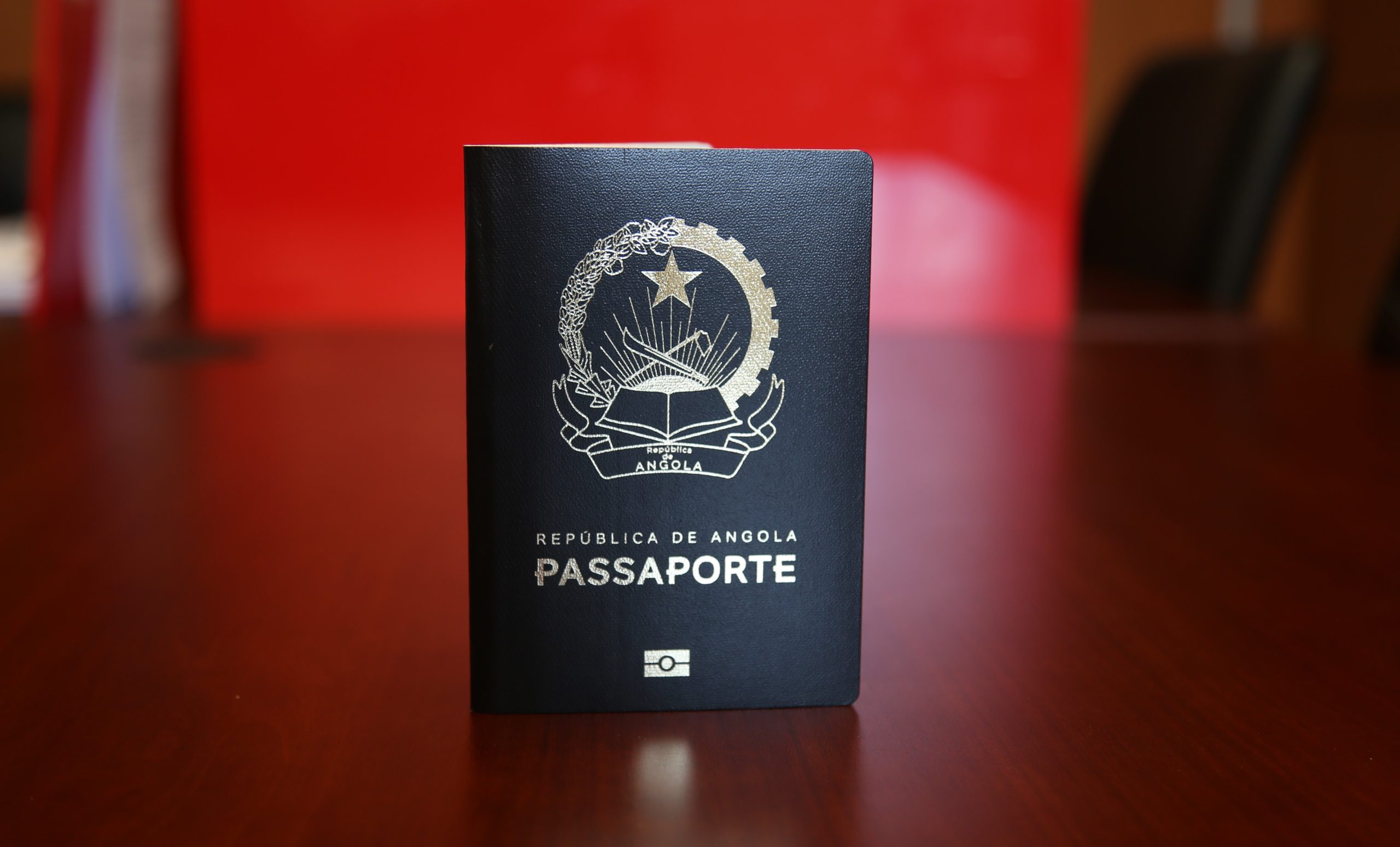
Valid Angolan passport with at least six months’ validity beyond your arrival date.
At least two blank pages in the passport for entry/exit stamps.
Completed visa application form (often in English or French) and signed.
Recent passport-style photograph(s), with white background, full face forward.
Proof of travel arrangements: round-trip ticket or onward journey.
Proof of accommodation in Morocco: hotel bookings, riad reservations, or invitation letter from host.
Proof of sufficient funds for your stay in Morocco, and possibly a bank statement or salary certificate.
Travel insurance covering your time in Morocco (advisable, especially when entering via visa).
Depending on visa centre: appointment at Moroccan diplomatic mission or consulate in Angola (or nearest representation).
Payment of visa fee (see next section).
Possibly additional documents: for business travel, invitation letter from Moroccan entity; for transit, proof of onward travel and relevant tickets.
Because the Moroccan authorities keep the right to update these requirements, it’s wise to verify with the embassy or consulate before you book your flights.
Morocco Visa Fees and Payment Methods for Angolan Nationals
.jpg)
When applying for your Moroccan tourist visa as an Angolan citizen, you’ll need to pay the relevant fee and comply with payment methods accepted by the diplomatic mission or visa centre handling your case. Sources indicate you must pay the visa fee; however, the exact amount is not publicly standardised for Angolan nationals in many cases.
Payment methods
Typically credit or debit cards (Visa, MasterCard) or bank transfer where specified.
Cash may be accepted in certain visa centres, but many discourage it — so check ahead.
Always retain proof of payment for your records.
If you’re applying via online/e-visa route (when available), payment is done electronically and receipt saved.
What to budget on
Since the publicly published guidance for Angolan citizens on the Morocco visa fee is unspecific, treat this as a flexible item – check with the Moroccan mission or visa agent for the current rate, and be prepared for possible changes.
Tip for travellers
Make sure you also account for any ancillary charges such as courier fees or appointment slots (if offered). These are not strictly part of the visa fee but affect the total cost of obtaining your visa.
Best Time to Apply for a Morocco Visa from Angola
.jpg)
Timing your visa application correctly can save you stress and ensure you’re ready to travel. Here are smart guidelines:
Apply early: Because Angolan citizens must go through the standard visa process and e-visa may not yet apply, submitting your application at least 4–6 weeks before travel is recommended. Some sources suggest 8 weeks.
Avoid peak travel periods: If you’re travelling during high season (spring, autumn, holiday periods) the visa centre may be busier – giving extra lead time helps.
Allow for document gathering: Because you may need financial proofs, accommodation bookings or invitation letters, start those arrangements early.
Ensure passport validity: Ensure your passport has the required six-month-beyond arrival validity when you apply; if not, renew it first.
Monitor your travel itinerary: Confirm your travel dates don’t shift after your visa is approved – major changes may require re-application or amendment.
Check visa processing timing: If the visa centre offers faster processing for additional charge, and you’re in a hurry, you might choose that—but only if the rate is clear and trusted.
In short: don’t wait for the last minute. The smoother the pre-trip prep, the more relaxed your arrival in Morocco.
Common Mistakes to Avoid When Applying for a Morocco Visa from Angola

Even experienced travellers can slip up when it comes to visas. Here are frequent errors to sidestep as an Angolan applicant:
Underestimating document requirements: Missing a document such as proof of funds or accommodation can delay or reject your application.
Passport too short validity: If your passport expires too soon, the visa won’t be granted or might cover only a shorter stay.
Booking flights too early: Avoid paying for fully non-refundable tickets before your visa is confirmed—you may need flexibility.
Not verifying payment process: Ensure you understand the payment method and keep receipts.
Ignoring language or photo specs: Incorrect photo size or improper application form completion (wrong language or incomplete fields) leads to rejection.
Assuming e-visa is applicable: Since the Morocco eVisa system is not yet available for Angolans, expecting it and starting only that route may cause delays.
Changing travel dates after visa issue: If your visa lists specific dates, changing your trip might invalidate your entry.
Neglecting travel insurance: Even if not explicitly requested, absence of insurance may raise border questions and risks.
Not checking updated rules: Policies can change—ensure you’re looking at the most current guidelines before applying.
Taking the time to follow each step with care will help ensure that your visa process is smooth and your journey stress-free.
How to Track Your Morocco eVisa Status Online
If the online e-visa system becomes available for Angolan citizens, here’s how you’d typically track your application status:
After submission and payment of your “Morocco eVisa application”, you will receive a reference number or email confirmation.
Login to the e-visa portal or access the status link provided.
Enter your reference number and passport details to view status (e.g., “Under review”, “Approved”, “Rejected”).
Once approved, download/print the e-visa document—ensure you save an electronic copy too.
If the status shows delays, check the portal messages or any email from the visa authority; sometimes additional documents may be requested. Note: Some travellers report delays and required follow-up.
eSIM Data Packages for Tourists Visiting Morocco from Angola
.jpg)
While not strictly part of the visa topic, staying connected is a key part of travel planning. When you arrive in Morocco, you’ll want reliable mobile data. Here are tips for using an eSIM or local SIM card:
Consider an eSIM: Some providers allow you to purchase a Morocco-regional eSIM with data validity for your stay before departure, making your connectivity seamless on arrival.
Local carrier options: Moroccan mobile networks (e.g., Orange Morocco, Inwi) offer tourist data packages. Get a SIM at arrival or airport kiosk if you prefer physical.
Check roaming costs: If you keep your Angolan number active, confirm roaming charges with your provider. Local eSIM or local SIM often works out cheaper.
Use offline maps/downloads: Even with data, it’s wise to download maps (e.g., Mashhad, Atlas) and have offline access.
Budget background roaming: If you use social apps, streaming, or navigation frequently, ensure your plan includes sufficient data.
Staying connected means you’ll easily manage your travel logistics (hotel bookings, taxi rides, trip changes) and keep in touch with contacts back home.
Why Using a Visa Agent Offers Better 24/7 Support Than Government Platforms for Angolans
Using a visa agent like morocco-evisa.org provides a much smoother experience for Angolan travelers compared to government platforms. Here’s a detailed comparison in bullet points:
🌟 Final Comparison: Why Visa Agents Are the Better Choice
How to Get an eVisa for Family Travel to Morocco from Angola

Travelling as a family introduces a few extra considerations—especially when visas are involved. Here’s how to plan for family travel to Morocco from Angola:
Apply individually or together? Each family member (including children) typically needs their own application. If/when the Morocco eVisa system opens for Angolans, many portals allow multiple entries under a single account—but check carefully.
Ensure all passports are valid: Everyone must hold their own valid passport with the required validity period (usually six months) and blank pages.
Provide family travel itinerary: Include shared accommodation booking or family-friendly lodging, as well as common return flight details.
Pay the correct visa fee for each member: If the visa centre charges per application, budget accordingly.
Children’s documentation: For minors, include birth certificates, consent letters (if travelling with one parent), and parental ID copies.
Prepare for group arrival: At port of entry, have your family travel documents grouped together. Border officials may ask to see proof of the family relationship or joint booking.
Plan for child-friendly logistics: In Morocco you’ll want a riad with connecting rooms, hire family-friendly transportation, and secure child safety when in busy medinas.
With good planning, your family trip to Morocco can be smooth and memorable—starting from the visa process onward.
Morocco Travel Insurance and Visa Essentials for Angolan Tourists
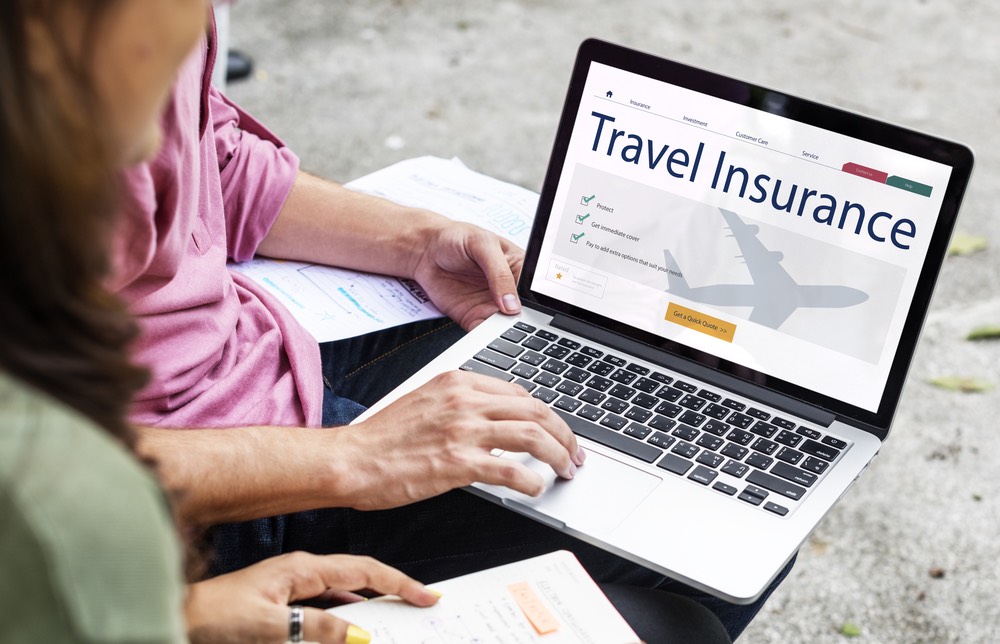
Even after your visa is approved, there are a few crucial pieces to add to your checklist to ensure a smooth Morocco journey.
Travel Insurance
Select a policy that covers your entire stay in Morocco, including medical emergencies, repatriation, and trip cancellation.
Some visa centres require proof of insurance; even if not mandatory, it’s strongly advisable.
Check policy issues like the coverage area (should include Morocco), policy validity period, and emergency contact details.
Other Visa Essentials
Entry and exit stamps: On arrival and departure, ensure your passport is stamped correctly by Moroccan border officials.
Carry documentation: Bring the visa approval letter (or e-visa printout if applicable), accommodation booking, return flight ticket, and any invitation letters.
Stay within approved duration: Overstaying your visa stay can lead to fines or denied reentry in future.
Comply with local laws: Respect Moroccan customs, local regulations and national borders (e.g., in delicate zones like Western Sahara).
Keep originals and copies: Carry originals for inspection and keep digital or paper copies of all documents.
Contact details: Keep contact info of your country’s embassy or consul in Morocco, in case of emergency.
By treating these essentials seriously, your trip will run comfortably and you’ll avoid avoidable issues at borders or within Morocco.
Final Thoughts: Simplifying Morocco Visa Guide for Angolan Citizens
Travelling from Angola to Morocco holds the promise of an unforgettable adventure—and with the right preparation you can bring practicality and peace of mind along too. In this “Morocco Visa Guide for Angolan Citizens,” we’ve covered:
The key takeaway? Start early, double-check your documents, ensure your passport is valid, and be aware that while Morocco is moving toward more digital visa options, your best route as an Angolan citizen remains the robust, well-planned traditional visa application—unless and until online e-visas are formally extended to your nationality.
Wishing you a fantastic time exploring Morocco’s dazzling landscapes, warm hospitality and historic treasures. Your Angolan adventure in North Africa awaits!
Morocco Visa FAQs for Angolan Travelers
Q1: Do Angolan passport holders need a visa to visit Morocco?
A1: Yes — Angolan citizens must obtain a visa prior to travel for leisure or business in Morocco.
Q2: Can Angolan citizens apply online for a Morocco eVisa right now?
A2: Currently public information shows that the Morocco eVisa is not available for Angolan nationals.
Q3: How long does it take to get a Moroccan visa when applying from Angola?
A3: Processing time varies. Given the standard visa route for Angolans, it’s advisable to apply at least 4-6 weeks in advance. Some external guides suggest 5-7 working days might be possible in other cases, but do not rely on expedited timing without confirmation.
Q4: What passport validity must I have to apply?A4: Your passport should be valid for at least six months beyond your planned arrival date in Morocco, and have at least two blank pages for stamping.
Q5: Can I travel with my family and apply together?
A5: Yes — you can travel as a group or family, but each member must hold a valid passport and submit the relevant visa application. Make sure you include family travel details, bookings and child consent documentation if applicable.

.jpg)
Comments
Post a Comment